Table Selection: The Biggest Edge in Poker.
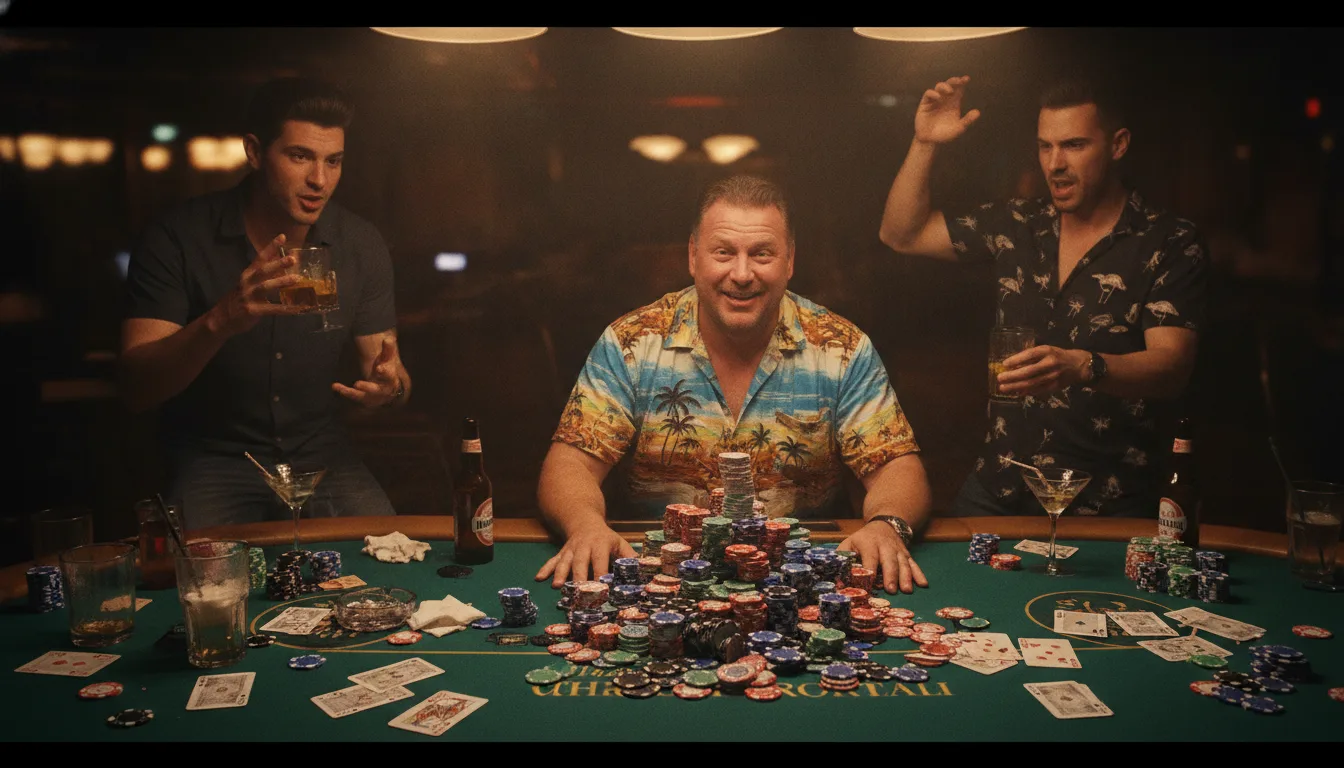
Here's the uncomfortable truth about low-stakes poker: the difference between a losing reg and a winning one is usually not their c-bet strategy. It's which chair they're sitting in. Every skill you build multiplies against bad opponents and shrinks against good ones — seat choice is the multiplier on everything else you know.
Reading a Room in Ninety Seconds
Walk the floor before you take a seat. You're scanning for four signals, in order of importance:
- Stacks. Big, messy, uneven piles mean money in motion and nobody racking up to leave. Eight tidy single racks mean a table waiting to go home.
- Alcohol. Drinks on the rail are the single most honest table-quality indicator in the building. Cocktail service frequency is a winrate stat.
- Volume. Laughter, standing players, mid-hand table talk: recreational energy. Silence and crossed arms: a rock garden. You cannot bluff a rock garden, and it won't pay your value either.
- Faces You Know. One backpack grinder with headphones and a one-handed chip shuffle eats more EV than two fish donate. Count the pros, subtract accordingly.
The Rule: drinks + laughter + sloppy stacks = sit down before someone else does. Coffee + silence + racked chips = keep walking, even if it's the only open seat.
Seat Selection: Money Flows Clockwise
Getting the right table is half the job; the right chair is the other half. You want the loose, splashy money on your right — they act before you, so you decide with their action already on the table. You want the tight, dangerous players on your left, where their positional advantage over you matters least because you're staying out of their pots anyway.
One genuinely loose whale is enough to make a table great — most of a session's profit comes from one or two seats, not eight. Sit to the whale's left, buy in deep enough to cover them, and let the game come to you.
Knowing When to Leave
The table you sat at isn't the table you're at now. The wedding guest busted, two regs filled the seats, and the cocktail server stopped coming. Re-run the ninety-second scan every hour: if you wouldn't sit at this table fresh, you shouldn't stay at it out of inertia. Table changes are free. Bad tables charge rent.
Drill It: the Table & Target Selection drill shows you photo-real rooms and tables — you pick sit or pass, target or avoid, and every answer explains the read.